
7 min. read

Electricity costs in industrial and commercial facilities are shaped not only by how much energy is consumed, but by how that energy is used over time. Peak demand reduction has become a critical focus as organizations recognize that short periods of high power draw can define utility bills for an entire month. These brief demand spikes create financial exposure that often remains invisible in traditional energy reporting, where average consumption metrics dominate analysis.
As energy tariffs increasingly emphasize demand charges, managing total consumption alone is no longer sufficient. Facilities must understand when demand peaks occur, what operational conditions trigger them, and how load behavior interacts with billing structures. By addressing peak demand directly, organizations can stabilize energy expenses, reduce cost volatility, and align operational decisions with financial performance.
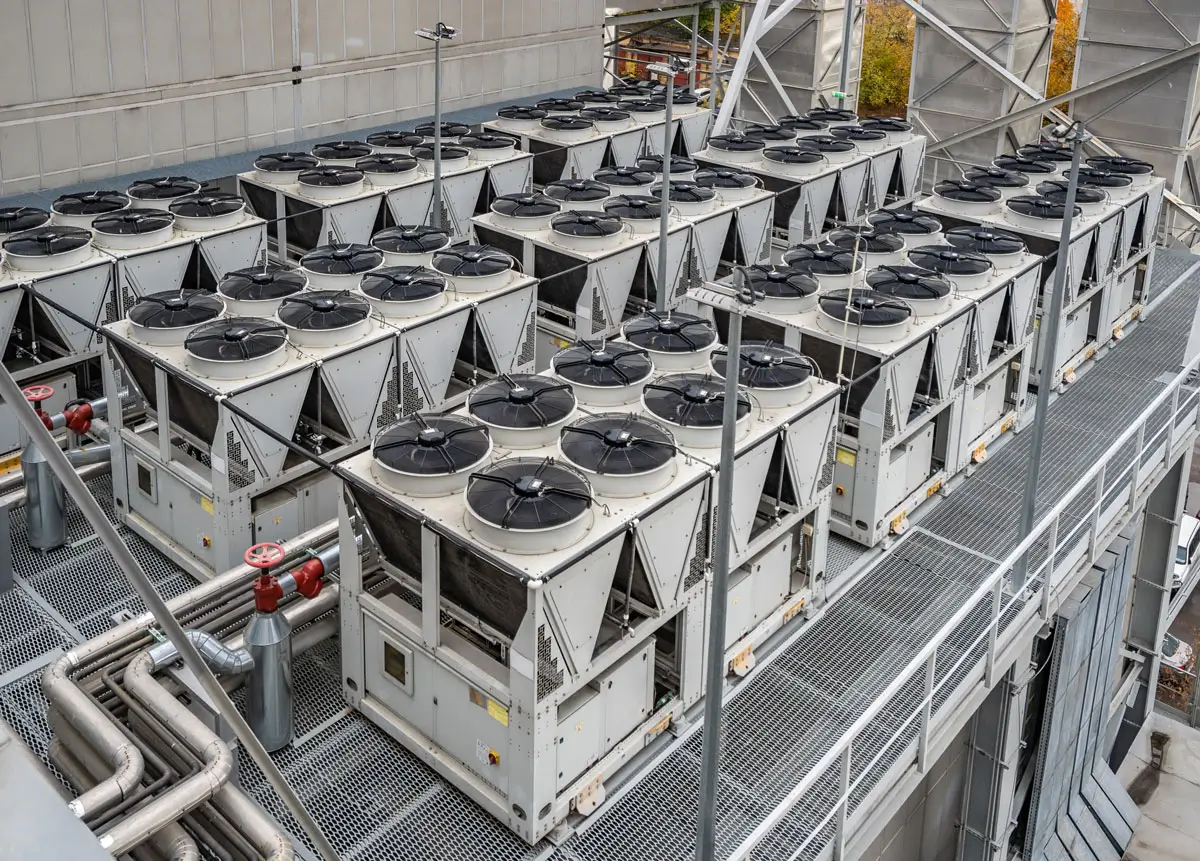
Plants and commercial facilities pay two separate components on their utility bill: total energy consumed (kWh) and peak demand charges. Peak demand represents the maximum power drawn from the grid in a defined timeframe, such as a 15-minute or hourly window. It captures the load a facility places on the electrical system at maximum consumption, not the energy it uses overall.
Because this peak happens infrequently but affects billing for an entire month, even a brief cluster of overlapping high-power equipment cycles can dominate costs. In some regions, demand charges can account for more than half of a commercial or industrial energy bill.
Plants and commercial facilities pay two separate components on their utility bill: total energy consumed (kWh) and peak demand charges. Peak demand represents the maximum power drawn from the grid in a defined timeframe, such as a 15-minute or hourly window. It captures the load a facility places on the electrical system at maximum consumption, not the energy it uses overall.
Because this peak happens infrequently but affects billing for an entire month, even a brief cluster of overlapping high-power equipment cycles can dominate costs. In some regions, demand charges can account for more than half of a commercial or industrial energy bill.
Peaks are expensive because utilities must ensure enough generation and grid capacity to meet them. To cover these infrequent spikes, utilities rely on reserve capacity and peaking plants, which are expensive to operate and often inefficient. These systemic costs are passed on to customers via demand charges embedded in tariffs.
For industrial energy managers, unmanaged peaks translate into unpredictable utility costs. Facilities with similar total energy usage can face vastly different bills depending on their peak demand profiles. A single uncontrolled peak can erase weeks of efficiency gains and introduce financial risk into operating budgets.
Peak demand is tracked by utilities typically using smart or interval meters that report consumption in short time slices (e.g., every 15 minutes). The highest of these readings within the billing cycle determines the demand charge applied.
Load characteristics driven by weather (HVAC spike on hot days), shift patterns, and equipment cycles all influence these peaks. Historical analyses show that forecasting peak load relies on a mixture of weather, production schedules, and behavioral patterns. Making a simple extrapolation from average consumption ineffective.
Demand charges create a structural risk: small, short peaks drive disproportionate cost increases. Unlike energy consumption, which is budgeted and smoothed over time, peaks are spiky and sensitive to transient conditions. Heating and cooling loads, motors starting simultaneously, or uncoordinated process steps can elevate the peak and push costs above forecasted ranges.
Without systematic visibility into how loads build and interact, operators rely on reactive tactics. Those can be turning equipment off only after a peak occurs or waiting for a utility bill to flag a problem. This dynamic increases uncertainty in costs and sidetracks operations teams from long-term reliability improvements.
Because demand charges reward lower instantaneous load rather than efficient energy use over time, plants may inadvertently optimize for average energy and miss opportunities to reshape their load curve. Traditional energy audits cannot always reveal how load timing affects costs, leaving a gap between operational insight and financial performance.
Or read about what is CENTO and how it transforms enterprise operations into a unified digital twin, enabling energy consumption clarity, cost savings, sustainable growth and even more in our article.
Or read about what is CENTO and how it transforms enterprise operations into a unified digital twin, enabling energy consumption clarity, cost savings, sustainable growth and even more in our article.
Industries use two main peak risk reduction strategies:
These strategies reduce the demand charge component that utilities add to bills, addressing financial risk directly without necessarily decreasing total energy consumption.
Demand response and demand-side management programs offer incentives or price signals to lower consumption at peak times. Active participation in such programs can avoid high-cost periods and provide utilities with alternatives to firing expensive peak plants.
Energy storage systems act as buffers, charging when demand is low and discharging when grid demand peaks, effectively flattening the facility’s demand profile. This approach decouples internal load spikes from utility bills, translating dynamic load management into cost stability.
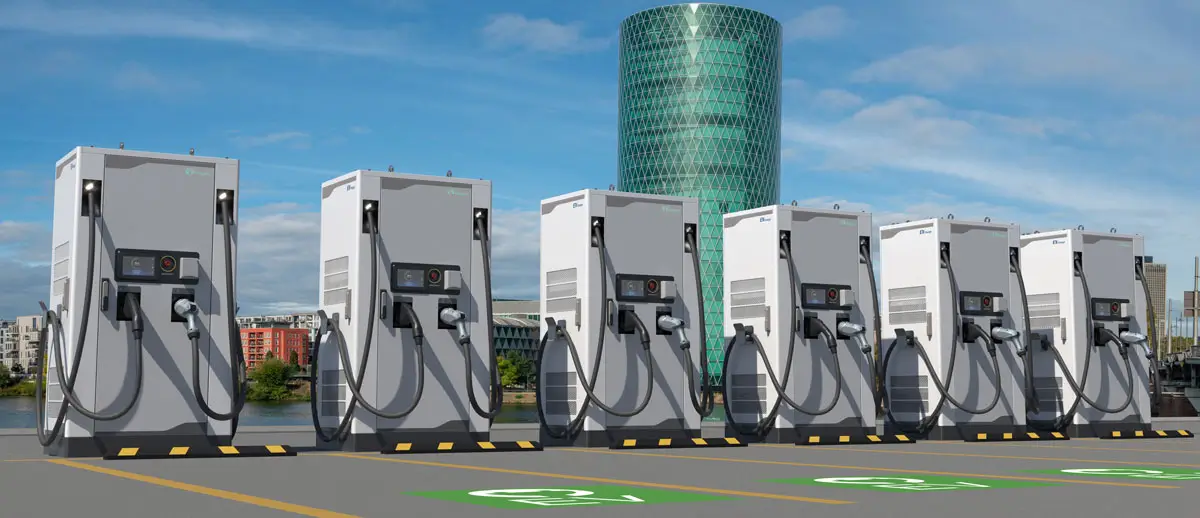
Before optimizing, teams must quantify not just how much energy is used but when and how that use relates to billing structures. Without visibility into interval load data, strategies like peak shaving are reactive guesses rather than informed decisions. This alignment between operational data and billing mechanics is key.
Approaches like installing energy-efficient equipment or reducing total consumption help operational sustainability but do not inherently reduce peak costs. True peak risk mitigation links energy use patterns to real-time and historical load profiles, enabling tools like storage, scheduling, and demand response to be effective.
CENTO ingests interval data from SCADA, smart meters, and historians to unify operational telemetry with energy billing structures. Analytic models reveal not only total energy use but peak demand trends, giving visibility into cost drivers hidden in raw time-series data. Decision support surfaces patterns where peaks emerge and quantify the financial impact of load management alternatives.
By correlating demand patterns with production context, planners and energy managers move from reacting to demand charges to managing utility bill risk, tying financial planning to operational behavior.
Most industrial users begin by tracking interval data over several billing cycles to establish a baseline peak profile. This highlights both frequent and rare spikes and uncovers hidden demands for drivers – from uncoordinated equipment start times to environmental loads. With a baseline, teams can prioritize interventions, test peak shaving or load shifting scenarios, and measure cost exposure before capital investment.
Peak demand analytics depends on rich operational data rather than scattered energy metering. CENTO integrates with:
This integration matches how DSM and peak reduction models treat demand as a joint function of operational schedules, external factors, and pricing signals.
Peak demand charges create a form of tail risk on energy costs: rare events with outsized financial consequences. Without analytics that link operational causes to billing effects, teams rely on backwards-looking reporting, often after the bill arrives. By making peak risk visible and predictable, analytics and planning tools like CENTO position energy management as a risk mitigation practice, similar to inventory planning or capacity forecasting, rather than a combination of guesswork and manual workarounds.
A:Peak electricity demand is the highest level of power a facility draws from the grid during a short measurement interval, typically 15 minutes. Utilities use this single maximum value to calculate demand charges, meaning a brief spike in power usage can significantly increase monthly electricity costs even if total energy consumption remains unchanged.
A: Peak demand spikes usually occur when multiple high-power systems operate simultaneously. Common causes include synchronized equipment startups, HVAC response during extreme weather, batch production cycles, refrigeration compressors, and EV charging loads. These short events often go unnoticed without interval energy monitoring.
A:Peak demand reduction lowers the maximum power draw recorded during billing intervals. By smoothing load profiles through scheduling, load shifting, storage, or automation, facilities reduce demand charges — often without reducing total energy consumption or production output.
A: No. Energy efficiency reduces total energy usage over time, while peak demand reduction focuses on limiting short-duration power spikes. A facility can become more energy efficient yet still experience higher electricity bills if peak demand remains unmanaged.
A:Analytics platforms analyze real-time and historical load data to identify when peaks form and what operational conditions cause them. Predictive insights allow operators to anticipate demand spikes, test operational scenarios, and apply peak demand reduction strategies before costly billing events occur.
Share your details and let’s start the conversation.
Share your details and let’s start the conversation.
Explore CENTO in a live demo environment and see how the platform works in practice.
Login: demo
Password: demo
Want a closer look? Contact our team for a guided walkthrough.
Launch demo to discover some of product features.
Login: demo
Password: demo
If you need more information and guided demo – contact our team to book a call.