
Why DNP3 matters in SCADA systems

DNP3 helps SCADA teams collect the right data at the right time across distributed industrial and utility assets. Its support for event polling, timestamps, prioritized reporting, and structured telemetry makes it useful when operators need more than simple periodic reads.
Why Modbus still matters in industrial data integration

Modbus remains one of the most practical ways to connect industrial devices, but connectivity alone does not create insight. This article explains where Modbus fits, where it falls short, and how CENTO turns register-level data into operational context.
Using power quality events to reduce energy waste in industrial facilities

Poor power quality does more than stress equipment or shorten asset life. For plants focused on using power quality events to reduce energy waste, this is where hidden losses often begin to surface.
How to improve industrial energy efficiency using existing infrastructure

When production rates fluctuate, energy consumption often does not. Plants continue paying for constant ancillary loads even when throughput drops. This disconnect increases unit energy costs, accelerates equipment wear, and distorts performance indicators.
Reducing energy costs without downtime

Learn why downtime driven energy strategies fail, and how runtime optimization, digital twins, and system level coordination allow manufacturers to lower energy costs while keeping production stable.
How to use power quality events to identify and reduce energy waste
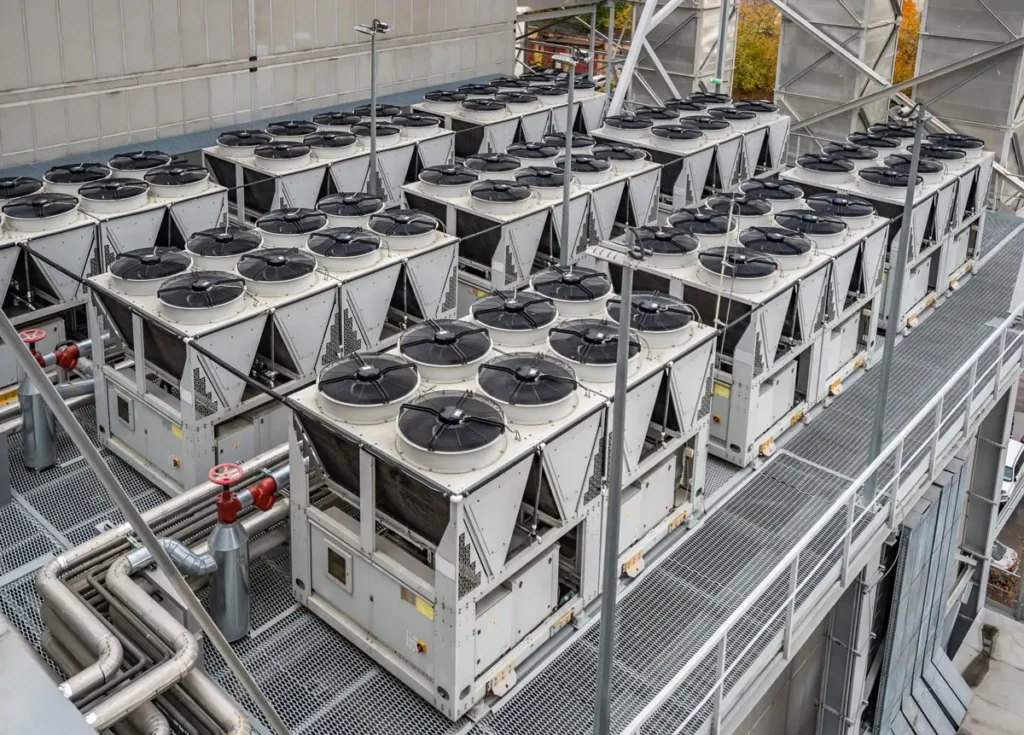
Electricity bills are not driven only by how much energy a facility consumes, but by when that energy is used. Short demand spikes lasting minutes can define costs for an entire month. Understanding peak demand transforms energy management from reporting consumption into managing financial risk.
Inside data center power quality management software
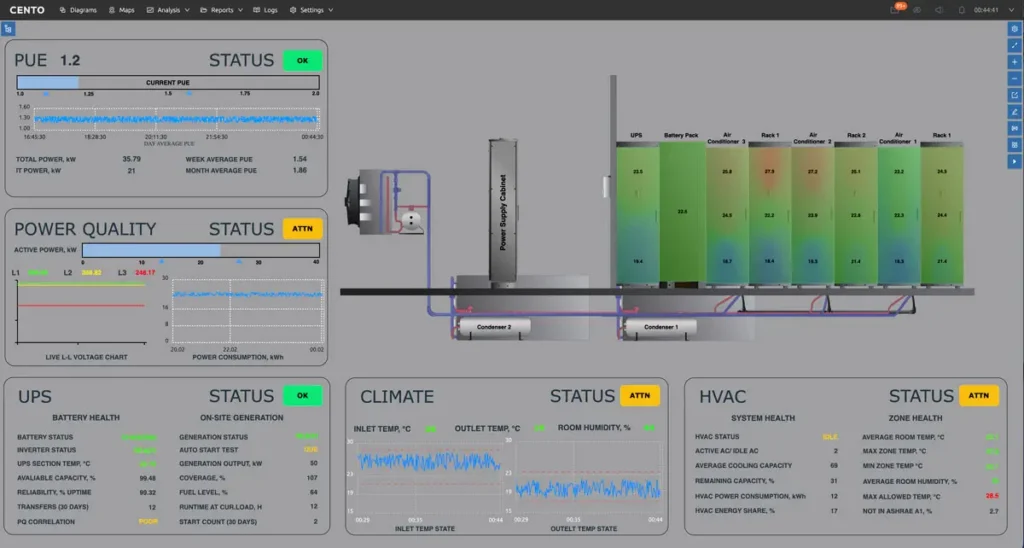
Understand how data center power quality management software detects electrical disturbances in real time, analyzes harmonics and voltage instability, and improves uptime, energy efficiency, and infrastructure reliability through analytics and digital twin integration.
AI and machine learning for power quality prediction and event classification

Power quality and production efficiency are tightly connected in modern industrial operations, even when electrical issues are not immediately visible. Modern plants rely on power electronics, variable-speed drives, and digitally controlled equipment that constantly change load profiles. These conditions create continuous streams of variability rather than isolated incidents.
How power quality affects production efficiency and asset reliability

Power quality in production systems reflects how well real electrical supply conditions align with what industrial equipment actually needs to operate predictably. Motors, drives, PLCs, and control electronics are designed around certain assumptions about voltage level, balance, waveform shape, and frequency.
Power quality monitoring for manufacturing and heavy industry
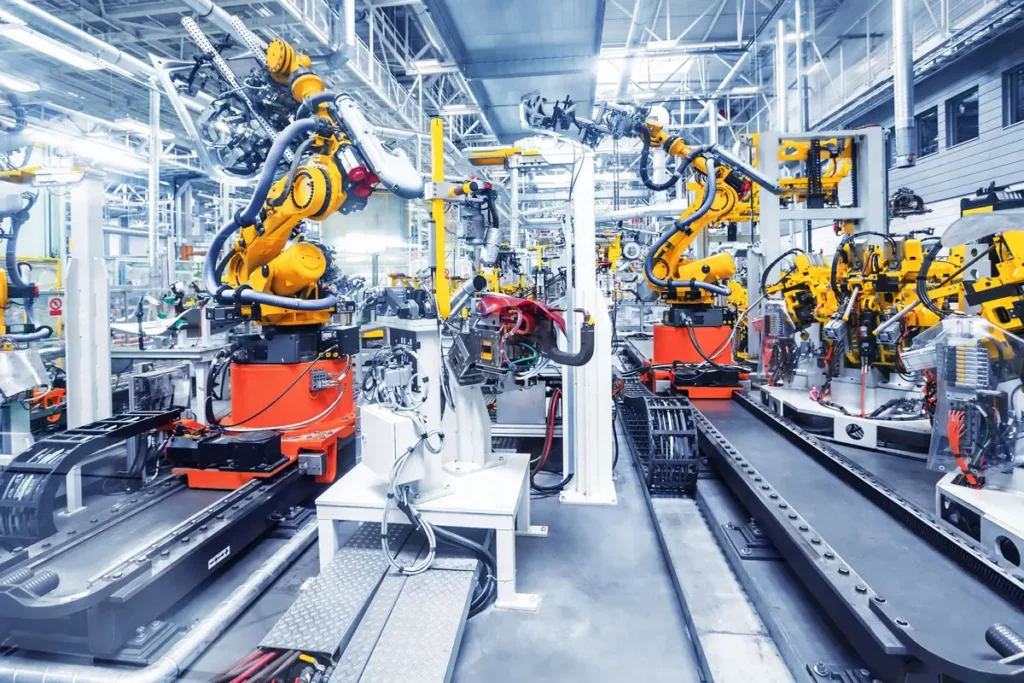
In modern plants, non-linear loads and power electronics amplify harmonics and imbalance, while sensitive control systems respond to short-duration disturbances that operators never see on standard dashboards. These effects show up as unexplained stops, nuisance trips, and gradual loss of process stability rather than as clear electrical faults.