Insights on industrial performance, data, and digital operations

Read focused posts on how industrial organizations use data, software, and connected systems to improve efficiency, reduce risk, and make better operational decisions

Engineers reviewing production and operational data on the plant floor to identify energy efficiency improvement opportunities
When production rates fluctuate, energy consumption often does not. Plants continue paying for constant ancillary loads even when throughput drops. This disconnect increases unit energy costs, accelerates equipment wear, and distorts performance indicators.
Industrial worker operating heavy machinery during live production shift in manufacturing plant
Learn why downtime driven energy strategies fail, and how runtime optimization, digital twins, and system level coordination allow manufacturers to lower energy costs while keeping production stable.
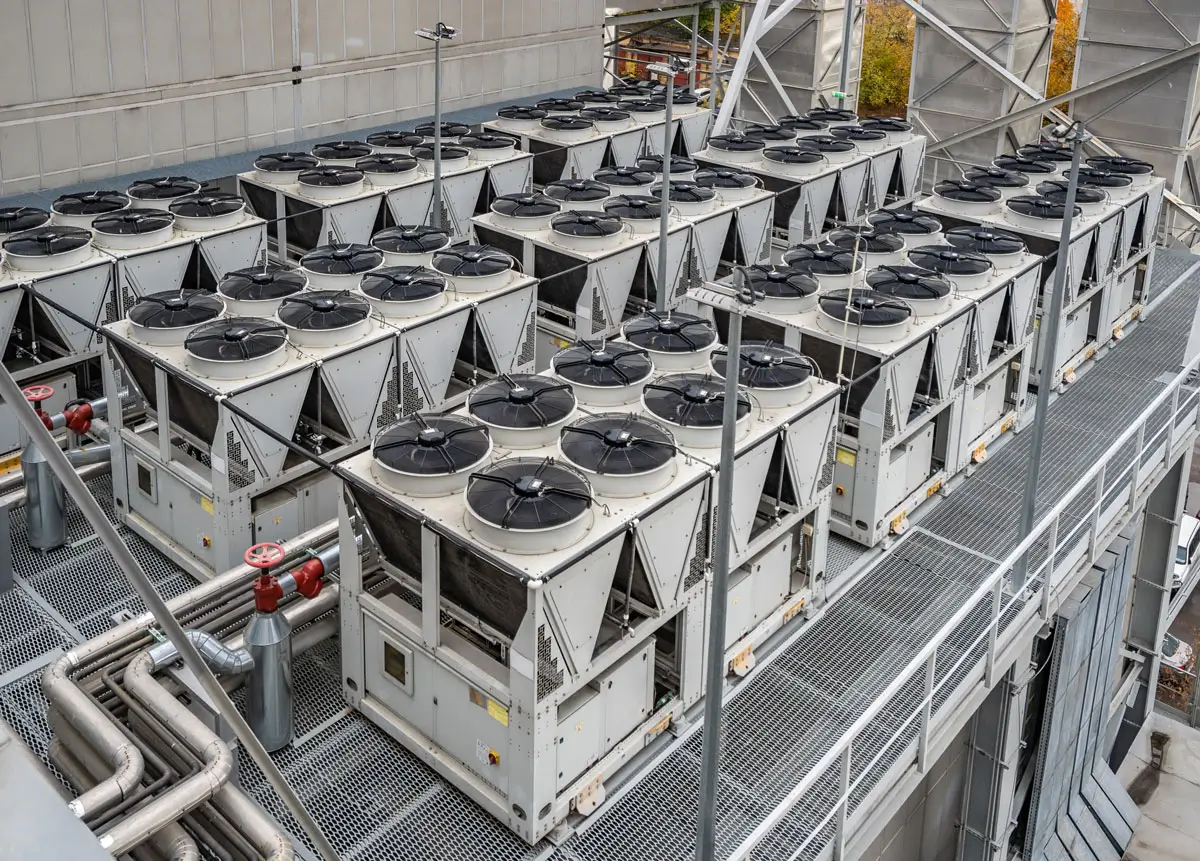
Data center cooling systems contributing to peak electricity demand and peak demand reduction strategies
Electricity bills are not driven only by how much energy a facility consumes, but by when that energy is used. Short demand spikes lasting minutes can define costs for an entire month. Understanding peak demand transforms energy management from reporting consumption into managing financial risk.
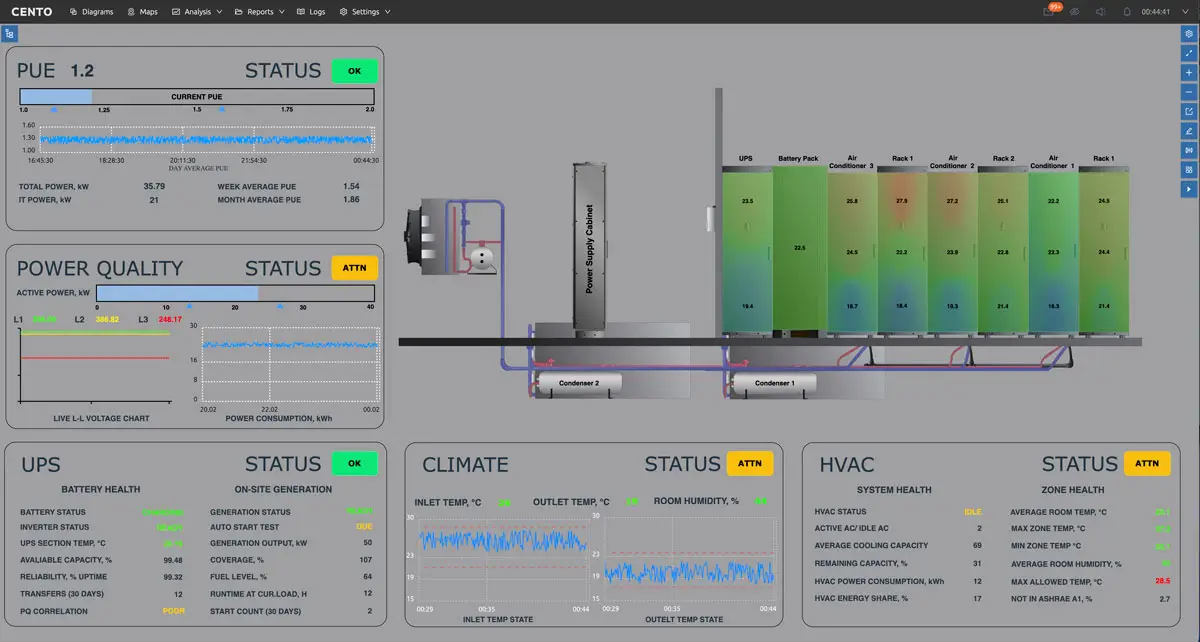
Data center power quality management dashboard showing real-time voltage levels, harmonic analysis, and server room electrical performance metrics
Understand how data center power quality management software detects electrical disturbances in real time, analyzes harmonics and voltage instability, and improves uptime, energy efficiency, and infrastructure reliability through analytics and digital twin integration.​
Industrial energy manager analyzing power quality data using AI and machine learning in a control room
Power quality and production efficiency are tightly connected in modern industrial operations, even when electrical issues are not immediately visible. Modern plants rely on power electronics, variable-speed drives, and digitally controlled equipment that constantly change load profiles. These conditions create continuous streams of variability rather than isolated incidents.
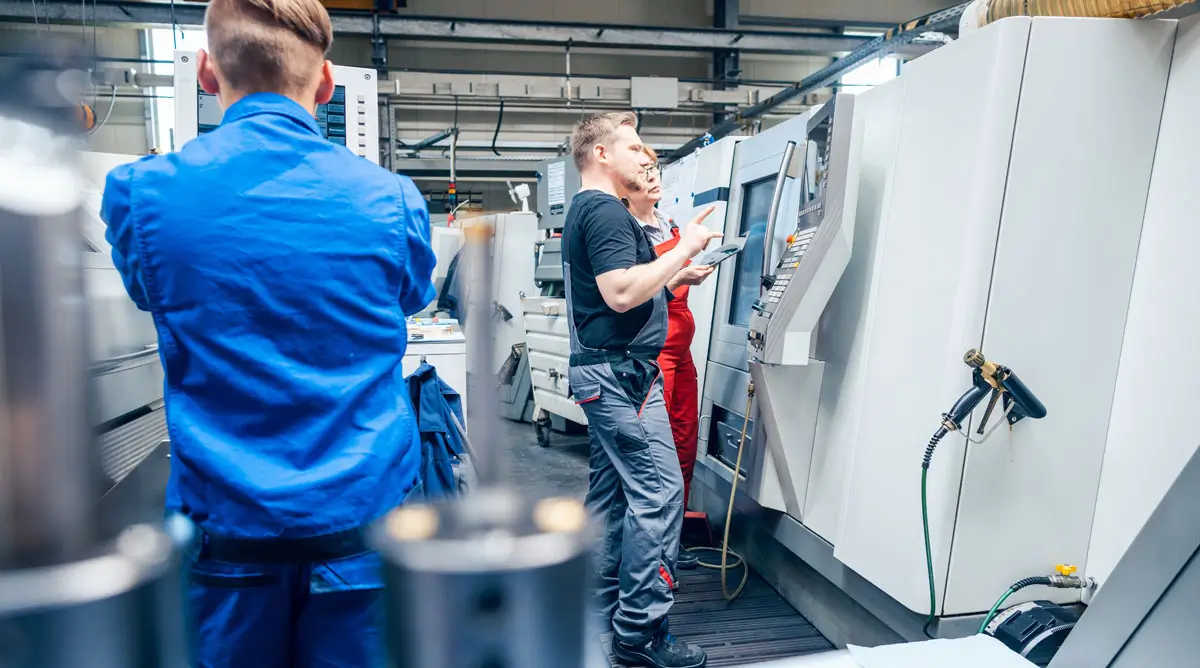
Technicians inspecting CNC machines during production to assess power quality impact on equipment reliability
Power quality in production systems reflects how well real electrical supply conditions align with what industrial equipment actually needs to operate predictably. Motors, drives, PLCs, and control electronics are designed around certain assumptions about voltage level, balance, waveform shape, and frequency.

Have something in mind to discuss?

We’re here to help you find the answers.
Let’s talk.

Try CENTO in action

Launch demo to discover some of product features. 
Login: demo
Password: demo

If you need more information and guided demo – contact our team to book a call.

Book a call
with our team

Share your details and let’s start the conversation.

Discover what we can do together

Share your details and let’s start the conversation.