
Inside data center power quality management software
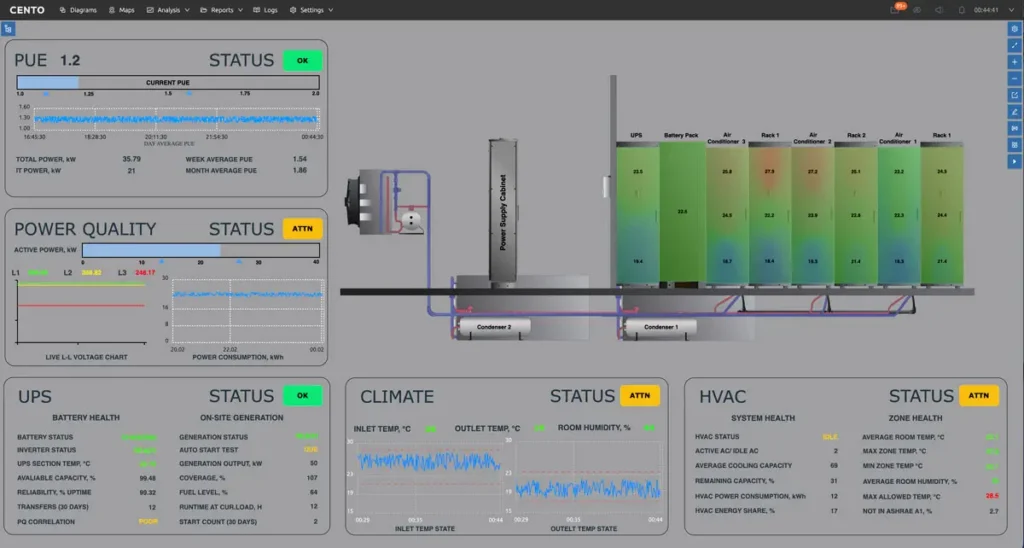
Understand how data center power quality management software detects electrical disturbances in real time, analyzes harmonics and voltage instability, and improves uptime, energy efficiency, and infrastructure reliability through analytics and digital twin integration.
AI and machine learning for power quality prediction and event classification

Power quality and production efficiency are tightly connected in modern industrial operations, even when electrical issues are not immediately visible. Modern plants rely on power electronics, variable-speed drives, and digitally controlled equipment that constantly change load profiles. These conditions create continuous streams of variability rather than isolated incidents.
How power quality affects production efficiency and asset reliability

Power quality in production systems reflects how well real electrical supply conditions align with what industrial equipment actually needs to operate predictably. Motors, drives, PLCs, and control electronics are designed around certain assumptions about voltage level, balance, waveform shape, and frequency.
Power quality monitoring for manufacturing and heavy industry
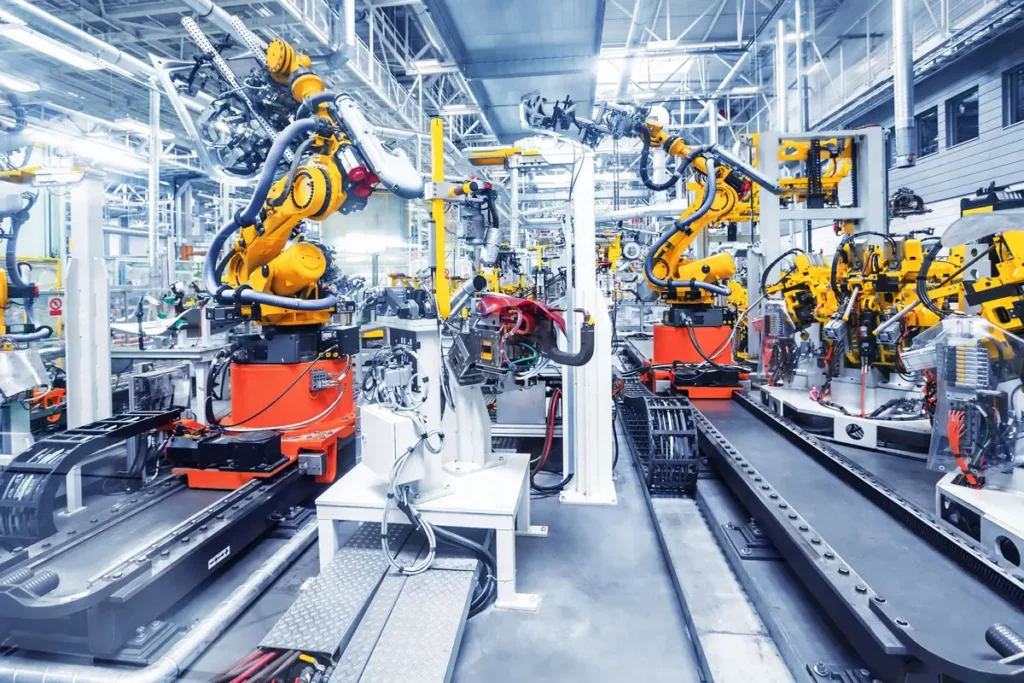
In modern plants, non-linear loads and power electronics amplify harmonics and imbalance, while sensitive control systems respond to short-duration disturbances that operators never see on standard dashboards. These effects show up as unexplained stops, nuisance trips, and gradual loss of process stability rather than as clear electrical faults.
Power quality events explained for industrial systems and digital twins
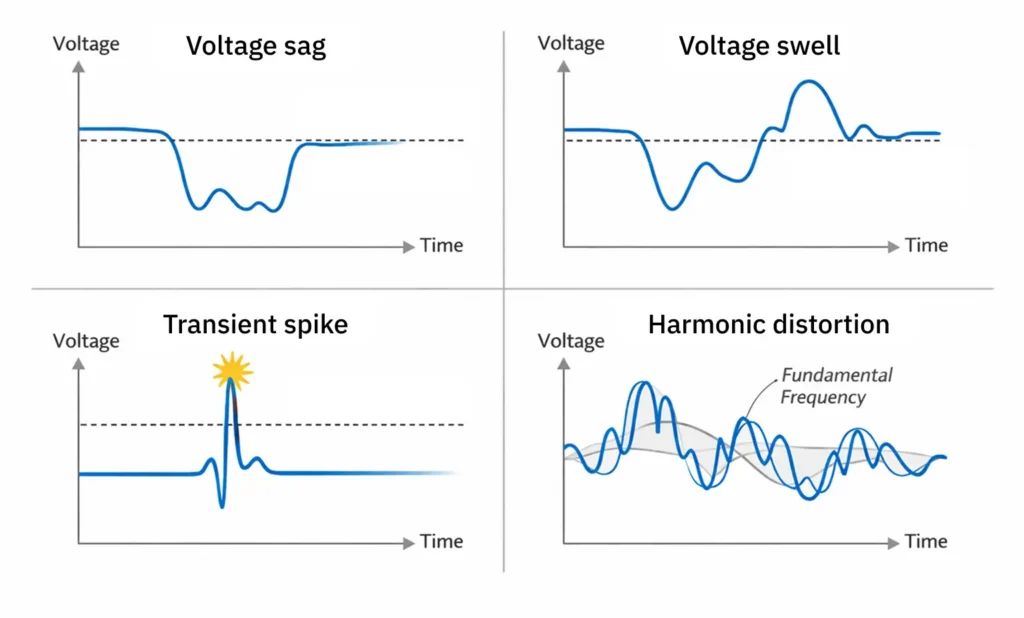
In industrial power systems, power quality events appear when voltage no longer behaves in a stable, predictable way. These deviations affect magnitude, waveform shape, or timing. Even short events can disrupt sensitive electronics, while repeated exposure accelerates wear in motors, transformers, and power supplies.
Power quality monitoring for industrial systems

In industrial systems, poor power quality has direct operational consequences. For example, equipment that depends on precise voltage and frequency control may overheat, trip, or degrade prematurely. As a result, there is a clear financial impact. Unexpected downtime, additional maintenance work, and reduced process reliability lead to higher operational expenses.