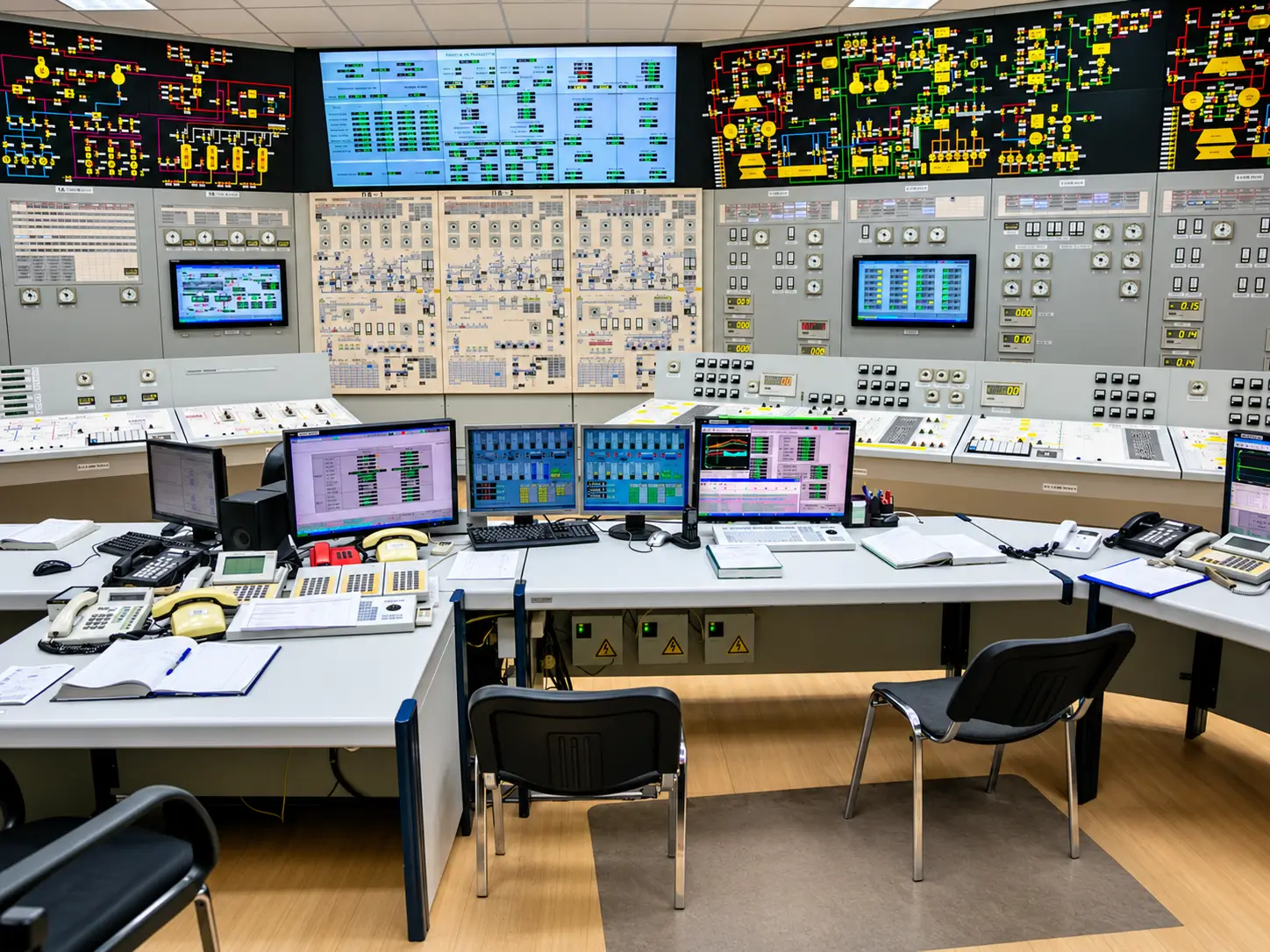
In many utility and industrial networks, the main problem is not collecting data. It is collecting the right data at the right time without overwhelming operators or losing context. DNP3 became important in SCADA because it was built for communication between control centers, remote terminal units, and intelligent field devices across electric and water environments. It supports monitoring and control in systems where delays, gaps, or noisy updates can weaken operations quickly.
That matters to plant and utility teams because field communication is never just a networking detail. It affects how fast alarms surface, how reliably statuses update, and how much manual checking operators still need to do. When communication remains fragmented, engineers keep reconciling values from different devices, managers wait longer for trusted status, and abnormal conditions become harder to interpret across substations, pumping assets, or remote equipment.
How DNP3 communication works
At the operational level, DNP3 works through a master and outstation model. A master requests data or sends commands. An outstation responds with measurements, statuses, or confirmations. In many real systems, an RTU or data aggregator sits in the middle, acting as both a master to field relays and a slave to the control center. That structure helps central teams manage distributed assets without direct one-to-one handling of every device.
The architecture is layered, and that has practical consequences. DNP3 uses an application layer, a pseudo-transport layer, a data link layer, and then physical or IP-based transport underneath. Even when it runs over TCP/IP, it keeps its own internal logic for framing, sequencing, and message handling. That means troubleshooting is not only about network availability. A device can be online and still fail at the protocol level because of sequence, fragmentation, or buffer behavior.
Polling, events, and prioritization in DNP3
Many teams first meet DNP3 when they are trying to improve polling performance or alarm handling. The protocol separates integrity polling from event polling. Integrity polling collects the current static state. Event polling focuses on changes since the last cycle. In practice, this helps reduce unnecessary traffic while keeping critical changes visible. Without that separation, control systems either poll too much or miss useful event context between broader scans.
Event handling is more nuanced than it looks. DNP3 supports Class 0 for static data and Classes 1, 2, and 3 for event buffers. Outstations can also send unsolicited responses when configured to do so. That gives utilities and industrial operators a way to surface urgent changes faster, instead of waiting for the next regular poll. However, it also increases the importance of configuration discipline, deadbands, and event buffer management.
Time synchronization and sequence of events
When a system spans multiple substations or remote assets, timing becomes part of the decision process. DNP3 includes time synchronization functions, timestamped events, and freeze operations for counters and analog values. These mechanisms help teams compare values across devices at the same moment instead of reconstructing events after the fact from inconsistent timestamps.
This is especially valuable when operations need to understand what changed first, which device reacted, and whether a threshold crossing was isolated or system-wide. Without trusted timing, event histories become harder to analyze, root-cause work slows down, and post-event reviews turn into guesswork. That is a direct issue for reliability teams, not just protocol specialists.
Where DNP3 is used today
DNP3 remains common in power systems, water infrastructure, and remote sensor environments where centralized monitoring must work across dispersed devices. The research covers power substations, water pumping systems, cellular SCADA access, and cyber-physical testbeds with industrial hardware. Across these settings, the same pattern appears: field devices generate status and measurements, and supervisory systems need them in a structured, timely form.
One practical reason DNP3 persists is that it fits both legacy and modern environments. It can support serial communication, TCP/IP transport, and integration with automation controllers that expose binary inputs, analog inputs, counters, and output points. That flexibility helps organizations extend existing SCADA investments instead of replacing entire field architectures at once.
How to evaluate DNP3 against alternative approaches
Choosing DNP3 is usually less about protocol theory and more about operational fit. Compared with simpler request-response approaches, DNP3 adds unsolicited reporting, event classes, timestamps, deadbands, and richer object handling. That gives teams better control over what gets reported and when. The tradeoff is greater configuration complexity and more need for protocol-aware engineering.
In other words, DNP3 is useful when teams need more than periodic reads. It is a stronger fit when abnormal changes matter, when event volume must be prioritized, or when distributed assets need consistent telemetry and control logic. If the environment only needs very simple polling, much of DNP3’s value will remain unused. But when operators need context, sequence, and selective reporting, simpler methods can force more manual work upstream.
Watch video about how CENTO works
Or read about what is CENTO and how it transforms enterprise operations into a unified digital twin, enabling energy consumption clarity, cost savings, sustainable growth and even more in our article.
Watch video about how CENTO works
Or read about what is CENTO and how it transforms enterprise operations into a unified digital twin, enabling energy consumption clarity, cost savings, sustainable growth and even more in our article.
How CENTO applies DNP3 in an industrial software context
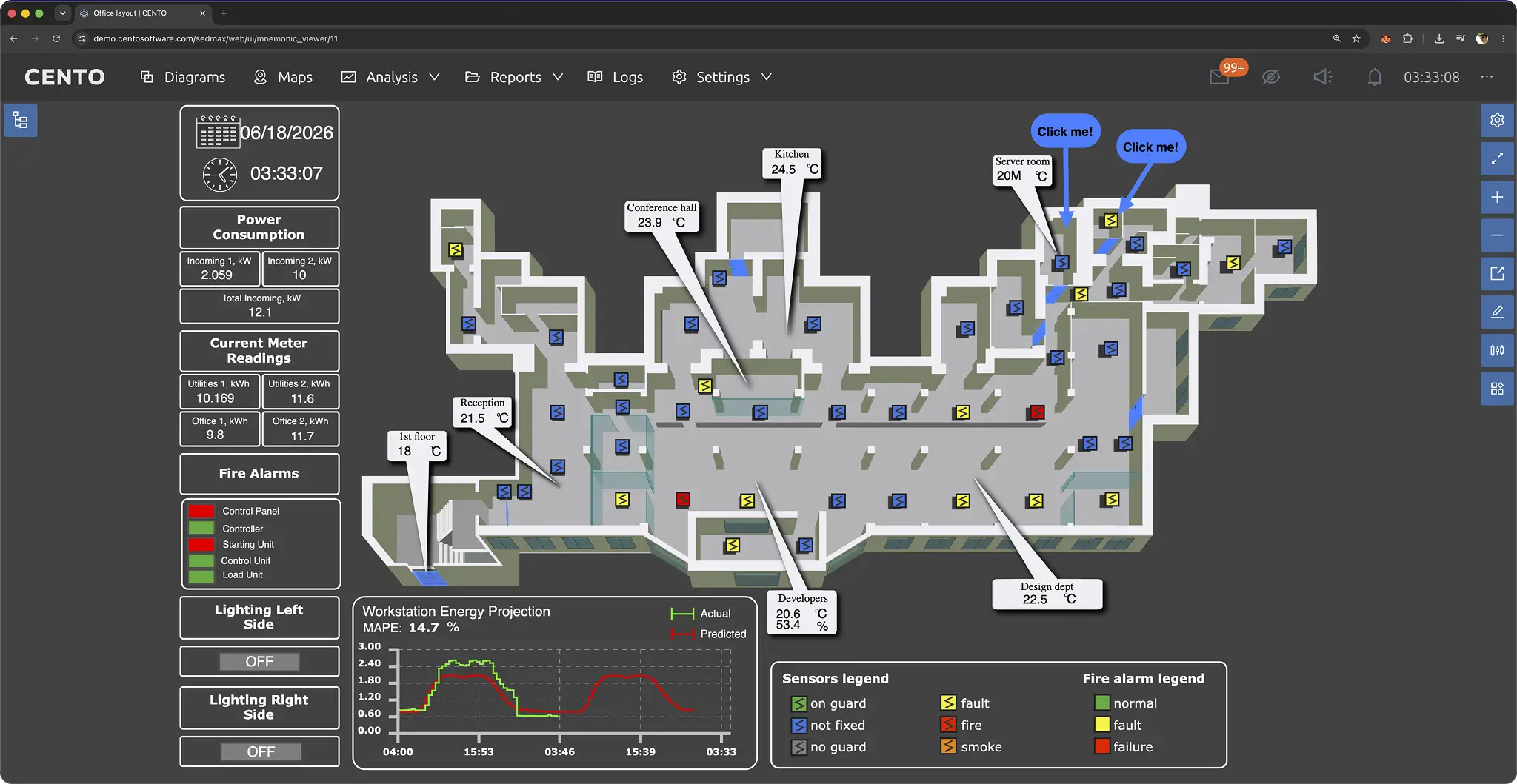
For a platform like CENTO, DNP3 is not only a device protocol. It is a source of structured operational signals that can be mapped into a digital twin, historian, alarm layer, and analytics workflows. The useful implementation question is how to preserve event meaning, timing, and point context while integrating DNP3 data with broader operational views. When that is done well, engineers stop chasing raw field values across isolated tools and start working with a coherent asset picture.
Organizations usually start with one site, one substation, or one remote process cluster. First they map points and outstations. Then they validate static data, event classes, and timestamps. After that, they connect the data to higher layers such as analytics, reporting, and cross-system workflows. In practice, this is where integration with SCADA, MES, and ERP becomes useful. SCADA keeps operational control, while a platform layer can unify history, visibility, and decision support across the business.
Clear next steps you can take with CENTO
For teams evaluating how to use DNP3 data more effectively, the next step is building a clearer path from field communication to operational context. With CENTO, that usually starts by connecting DNP3 outstations, validating point structures, timestamps, and event classes, and then mapping that data into a unified asset model. From there, teams can move beyond protocol-level visibility and begin using the same signals across SCADA, historian workflows, alarms, dashboards, analytics, and digital twin logic.
A practical rollout is usually straightforward. First, connect one site, substation, or remote asset group. Next, verify that static values, event behavior, and time synchronization are working as expected. Then expose that data to higher layers where operations, engineering, and management can work from the same trusted context. In that model, SCADA continues to handle real-time control, while CENTO turns DNP3 data into a wider operational picture that supports analysis, coordination, and faster decisions.
The fastest way to evaluate that workflow is to open the CENTO demo environment and explore how industrial data becomes usable across dashboards, monitoring, and analytics layers. For implementation discussions, architecture questions, or rollout planning, get in touch with the CENTO team.
Frequently asked questions
Q: What is DNP3 in SCADA systems?
A: DNP3 is an industrial communication protocol designed for reliable data exchange between SCADA control centers, remote terminal units, and intelligent field devices. It is widely used in utility and industrial environments where teams need structured monitoring and control across distributed assets such as substations, pumping systems, and remote equipment.
Q: Why does DNP3 matter in industrial and utility operations?
A: DNP3 matters because communication quality directly affects how quickly alarms appear, how reliably statuses update, and how much manual checking operators still need to do. In distributed operations, delays, missing updates, or fragmented communication make abnormal conditions harder to interpret and slow down response.
Q: How does DNP3 communication work?
A: DNP3 works through a master and outstation model. A master requests data or sends commands, while an outstation responds with measurements, statuses, or confirmations. In many architectures, an RTU or data aggregator sits between field devices and the control center, helping central teams manage distributed assets more efficiently.
Q: What makes DNP3 different from simple polling protocols?
A: DNP3 is designed for more than basic request-response communication. It supports event polling, unsolicited responses, timestamps, event classes, and richer object handling. That gives operators better control over what data is reported, when it is reported, and how critical changes are prioritized across remote systems.
Q: What is the difference between integrity polling and event polling in DNP3?
A: Integrity polling collects the current static state of the system, while event polling retrieves changes that occurred since the last cycle. This separation helps reduce unnecessary communication traffic while keeping important operational changes visible. It also helps SCADA teams avoid the tradeoff between polling too much and missing useful event context.
Q: What are DNP3 event classes used for?
A: DNP3 uses Class 0 for static data and Classes 1, 2, and 3 for event buffers. This structure helps organize reporting priorities so that important changes can be surfaced more efficiently. Outstations can also send unsolicited responses, which allows urgent changes to appear without waiting for the next scheduled poll.
Q: Why are timestamps and time synchronization important in DNP3?
A: Timestamps and time synchronization help teams compare events across substations or remote assets with greater confidence. They make it easier to understand what changed first, how devices reacted, and whether a disturbance was local or system-wide. Without trusted timing, event analysis and root-cause work become far more difficult.
Q: Where is DNP3 commonly used today?
A: DNP3 is commonly used in power systems, water infrastructure, and other remote monitoring environments where supervisory systems must collect timely data from dispersed devices. It remains relevant in both legacy and modern architectures because it can work over serial links, TCP/IP networks, and mixed automation environments.
Q: What are the main advantages of DNP3 in SCADA environments?
A: DNP3 gives SCADA teams stronger visibility into abnormal changes, better event prioritization, and more structured telemetry from distributed assets. Its support for selective reporting, timestamps, deadbands, and unsolicited messaging makes it especially useful where operational context matters more than simple periodic reads.
Q: How does CENTO use DNP3 in a broader industrial software architecture?
A: CENTO uses DNP3 as a source of structured operational signals that can be mapped into a digital twin, historian, alarm layer, dashboards, and analytics workflows. Instead of leaving DNP3 data isolated at the protocol level, CENTO helps preserve event meaning, timing, and point context so that engineering and operations teams can work from a more coherent asset picture.
Q: What is the best way to start with DNP3 integration?
A: A practical starting point is usually one site, one substation, or one remote asset group. Teams typically begin by mapping points and outstations, validating static data, event classes, and timestamps, and then exposing that data to higher layers such as analytics, reporting, and cross-system workflows. This makes it easier to prove value and expand in a controlled way.