
Industrial standards for energy monitoring and power quality

A practical map of the ISO, IEC, and IEEE standards that govern industrial monitoring platforms, showing what each one requires you to measure, store, and report, and how to read them as a functional specification.
Energy management system vs energy monitoring system: what is the difference?

A practical comparison of energy monitoring systems and energy management systems, including demand response, time-of-use tariffs, SCADA, BAS, digital twins, and energy optimization.
What is an energy management system (EMS)?

A practical guide to industrial energy management systems, including EMS architecture, SCADA, MES, ERP integration, EnPI tracking, demand management, and ISO 50001 reporting.
Industrial Protocol Security: DNP3, OPC UA, Modbus & IEC 61850 Compared

Discover how DNP3, Modbus, OPC UA, and IEC 61850 differ in attack surface — and what latency data says about adding IEC 62351 security without breaking real-time OT timing budgets.
Energy optimization with SCADA and ERP integration

See how live SCADA telemetry, ERP tariff data, and industrial data platforms close the gap between energy models and real plant operations.
Energy efficiency for legacy industrial equipment
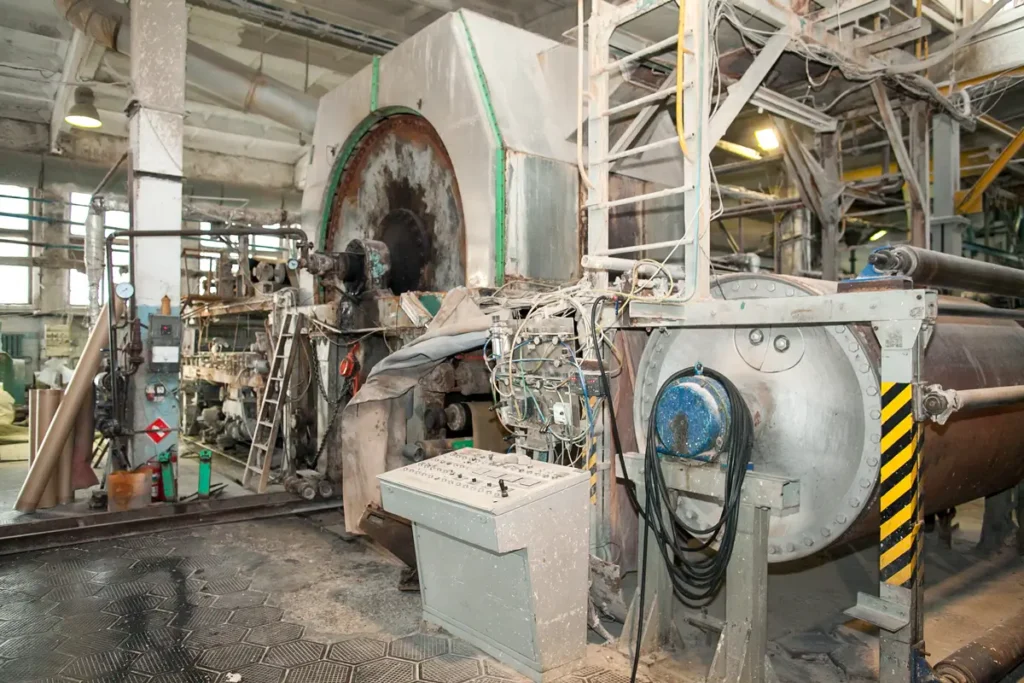
Most industrial plants do not lack efficient equipment. They lack visibility into how existing systems actually operate. Hidden losses form in idle runtime, load mismatch, and unstable system behavior, making energy consumption harder to control than it should be.
Energy efficiency as an operational KPI

Energy efficiency becomes actionable when it is measured as part of daily operations, not only as a monthly cost. Learn how operational KPIs help industrial teams connect energy use with production, equipment behavior, and real-time decisions.
Using power quality events to reduce energy waste in industrial facilities

Poor power quality does more than stress equipment or shorten asset life. For plants focused on using power quality events to reduce energy waste, this is where hidden losses often begin to surface.
How to improve industrial energy efficiency using existing infrastructure

When production rates fluctuate, energy consumption often does not. Plants continue paying for constant ancillary loads even when throughput drops. This disconnect increases unit energy costs, accelerates equipment wear, and distorts performance indicators.
Reducing energy costs without downtime

Learn why downtime driven energy strategies fail, and how runtime optimization, digital twins, and system level coordination allow manufacturers to lower energy costs while keeping production stable.