
Legacy SCADA assessment and modernization priorities
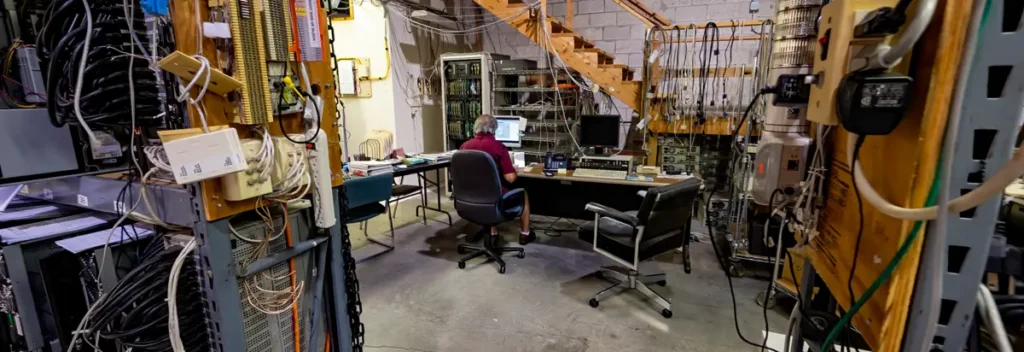
Assess operational risks, recovery readiness, supportability, security, and hidden dependencies before deciding whether to retain, extend, upgrade, or replace a legacy SCADA system.
Web-based SCADA vs traditional SCADA: selection criteria
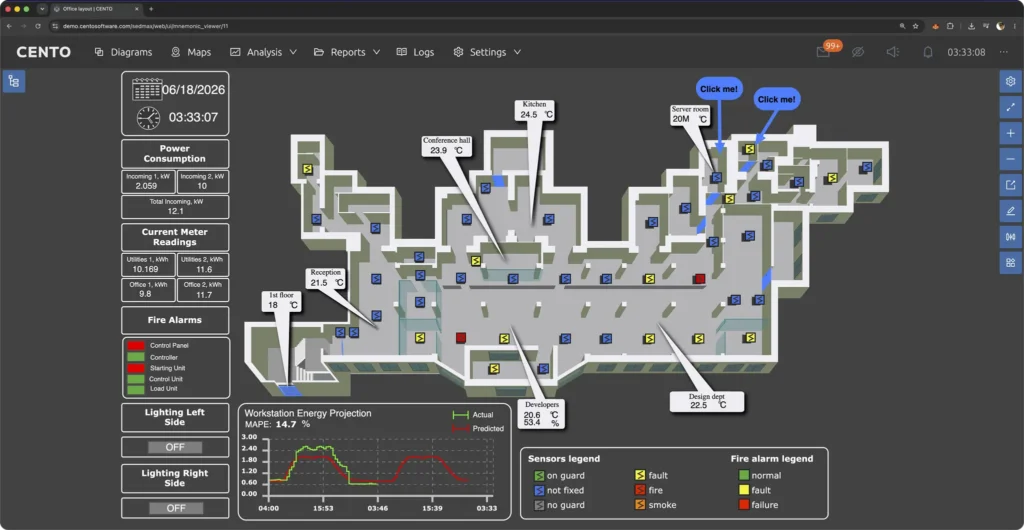
Compare web-based and traditional SCADA beyond the operator interface. Explore architecture, deployment, security, remote access, resilience, control boundaries, and lifecycle requirements to choose the right approach for your industrial environment.
Industrial standards for energy monitoring and power quality

A practical map of the ISO, IEC, and IEEE standards that govern industrial monitoring platforms, showing what each one requires you to measure, store, and report, and how to read them as a functional specification.
Energy management system vs energy monitoring system: what is the difference?

A practical comparison of energy monitoring systems and energy management systems, including demand response, time-of-use tariffs, SCADA, BAS, digital twins, and energy optimization.
What is an energy management system (EMS)?
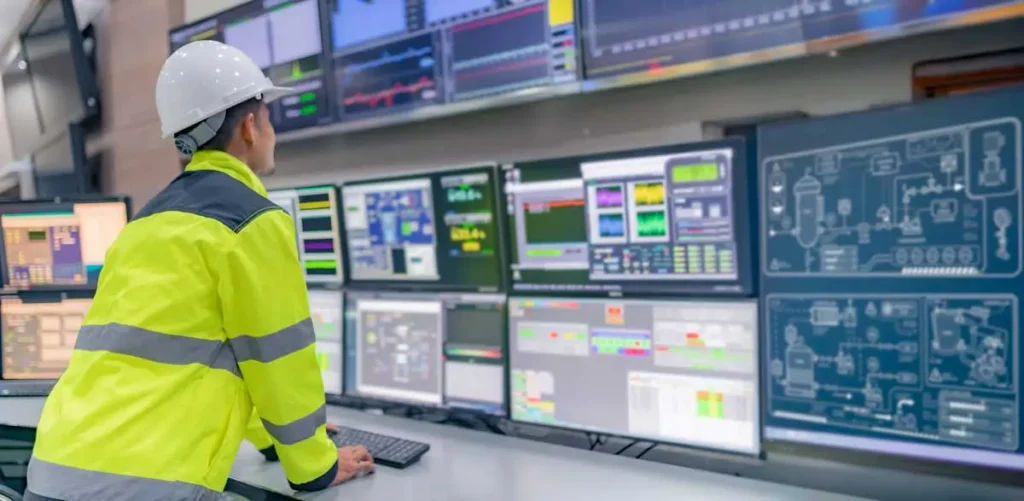
A practical guide to industrial energy management systems, including EMS architecture, SCADA, MES, ERP integration, EnPI tracking, demand management, and ISO 50001 reporting.
Energy Performance Indicators (EnPIs): a practical guide aligned with ISO 50006

EnPIs normalise energy use against production volume, temperature, and load patterns — so you can separate genuine efficiency gains from operational noise. This guide covers the ISO 50006 methodology and a practical 6-step implementation path.
Industrial Protocol Security: DNP3, OPC UA, Modbus & IEC 61850 Compared

Discover how DNP3, Modbus, OPC UA, and IEC 61850 differ in attack surface — and what latency data says about adding IEC 62351 security without breaking real-time OT timing budgets.
Energy optimization with SCADA and ERP integration

See how live SCADA telemetry, ERP tariff data, and industrial data platforms close the gap between energy models and real plant operations.
OPC UA industrial data integration for SCADA, MES, ERP, and digital twins

OPC UA helps industrial teams move secure, structured, and vendor-independent data from machines and control systems into analytics, reporting, and digital twin workflows.
What JSON means in industrial automation

JSON gives industrial teams a lightweight way to package SCADA, PLC, meter, and historian data with asset IDs, timestamps, units, and quality flags. This makes the data easier to use across APIs, dashboards, analytics tools, and digital twins.